Essential Wedding Officiant Interview Questions
Choosing the right wedding officiant is one of the most important decisions you will make on your wedding journey. This person will not only guide you through the ceremony but also help shape the moment you say "I do" into a memory that lasts a lifetime. I know how overwhelming it can feel to find someone who truly understands your love story, your cultural background, and your vision for the day. That’s why I'm here to share some essential wedding officiant interview questions to help you feel confident and calm as you prepare for this beautiful step.
When you sit down with your potential officiant, it’s more than just a meeting. It’s a vibe check! A chance to connect, to share your vision, and to ensure your ceremony will be as unique as your love. Let’s explore the questions that will help you find the perfect match.
Why Asking the Right Wedding Officiant Interview Questions Matters
Your wedding ceremony is a deeply personal experience. It’s the moment where your story is told, your promises are made, and your families come together. The officiant is the storyteller, the guide, and the calming presence in this moment. Asking the right questions ensures you find someone who respects your values, understands your cultural traditions, and can create a ceremony that feels authentic and heartfelt.
For example, if you want a bilingual ceremony that honors both your backgrounds, you need to know if your officiant is comfortable and experienced in that. Or if you want a ceremony that includes unique rituals or readings, you want to be sure your officiant is open and flexible.
Here are some key reasons why these questions are so important:
Clarity: Understand exactly what your officiant offers and how they work.
Comfort: Feel at ease knowing your officiant shares your vision.
Customization: Ensure your ceremony will be personalized and meaningful.
Legal Assurance: Confirm your officiant is legally authorized to marry you in Iowa.
Taking the time to ask these questions will give you peace of mind and help you build a trusting relationship with your officiant.

Essential Wedding Officiant Interview Questions to Ask
When you meet with your potential officiant, consider these questions as your guide. They will help you uncover everything you need to know to make the best choice.
1. Are you legally authorized to perform weddings in Iowa?
This is a must-ask question. Your officiant must be legally recognized by the state to perform marriages. Some officiants are ordained ministers, others are judges or justices of the peace. Confirming this early avoids any last-minute surprises.
2. How would you describe your officiating style?
Every officiant has a unique style. Some are formal and traditional, others are casual and conversational. Think about the tone you want for your ceremony. Do you want it light and humorous, deeply spiritual, or somewhere in between? Ask for examples or even recordings if possible.
3. Can you accommodate bilingual or multicultural ceremonies?
If you want a ceremony that reflects both your cultural backgrounds or languages, this question is crucial. A bilingual officiant can seamlessly blend languages and traditions, making everyone feel included and honored.
4. How do you personalize the ceremony?
A ceremony that feels like it was written just for you is unforgettable. Ask how the officiant gathers your story and incorporates it into the ceremony. Do they meet with you multiple times? Do they encourage you to write your own vows or include special readings?
5. What is your availability on our wedding date?
This might seem obvious, but it’s important to confirm your officiant is available on your chosen date and time. Also, ask about their arrival time and how early they like to set up.
6. What is your fee and what does it include?
Understanding the cost upfront helps you budget wisely. Some officiants include rehearsal attendance, travel, and ceremony planning in their fee. Others may charge extra for these services. Be clear about what you’re getting.
7. How do you handle rehearsal and ceremony logistics?
Ask if they attend the rehearsal and how they coordinate with other vendors, like photographers or venue staff. A well-organized officiant helps the day flow smoothly.
8. What happens if you are unable to officiate on the day?
Life happens. It’s good to know if they have a backup plan or a substitute officiant in case of emergencies.
9. Can you provide references or testimonials?
Hearing from other couples can give you insight into the officiant’s professionalism and warmth. Don’t hesitate to ask for references or read reviews.
10. How do you handle legal paperwork?
The officiant usually files your marriage license with the county. Confirm they will take care of this important step and explain the process.
These questions will help you feel confident that your officiant is the right person to guide you through your ceremony.
What are common officiant mistakes?
Even the best officiants can sometimes stumble. Knowing common mistakes can help you avoid them and ensure your ceremony is flawless.
1. Lack of personalization
A ceremony that feels generic or rushed can leave couples feeling disconnected. The best officiants take time to learn your story and craft a ceremony that reflects your unique journey.
2. Poor communication
If your officiant is slow to respond or unclear about details, it can cause unnecessary stress. Clear, timely communication is key.
3. Not being legally authorized
This is a critical mistake. An officiant who is not legally recognized can cause your marriage to be invalid. Always verify credentials.
4. Arriving late or unprepared
Punctuality and preparation show respect for your day. An officiant who arrives late or forgets important details can disrupt the flow.
5. Ignoring cultural or religious preferences
If your ceremony includes specific traditions, your officiant must honor and understand them. Overlooking these can lead to disappointment.
By asking the right questions and discussing these potential pitfalls, you can avoid these common mistakes and enjoy a smooth, meaningful ceremony.
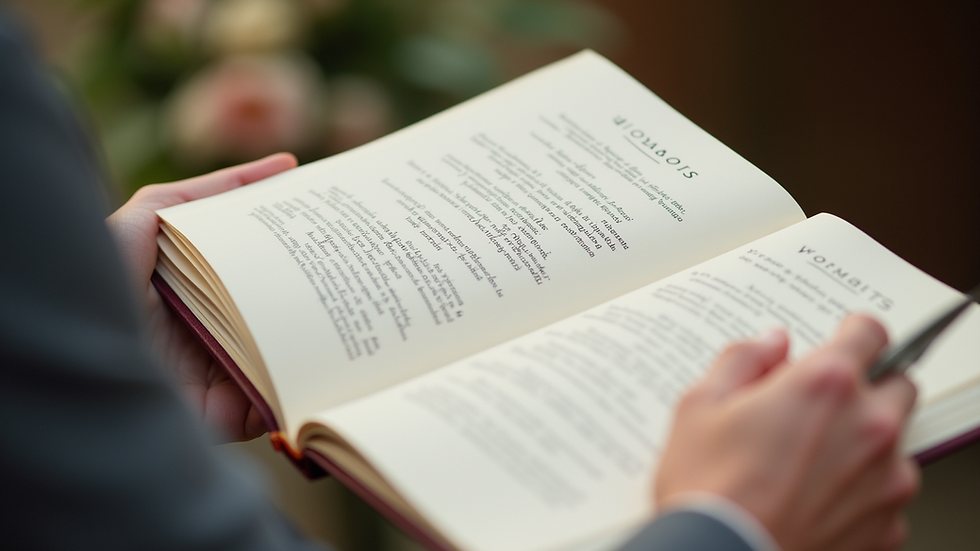
How to Build a Connection with Your Officiant
Your officiant is more than just a person who signs the papers. They are a partner in your wedding day experience. Building a connection with them can make your ceremony feel warm and genuine.
Share your story: Open up about how you met, what you love about each other, and what marriage means to you.
Discuss your vision: Talk about the tone, style, and any special elements you want.
Be honest about your needs: If you want a bilingual ceremony or specific rituals, make sure they know.
Ask for their input: Experienced officiants often have wonderful ideas to enhance your ceremony.
Schedule a rehearsal: This helps everyone feel comfortable and prepared.
When you feel connected, your officiant will naturally bring that warmth and sincerity to your ceremony.
Final Thoughts on Choosing Your Wedding Officiant
Finding the right officiant is about more than just ticking boxes. It’s about finding someone who will honor your love story, respect your cultural background, and guide you gently through one of the most important moments of your life. By asking thoughtful questions and listening carefully, you can find a professional who will make your ceremony deeply personal and memorable.
If you want to explore more questions to ask a wedding officiant, this resource can be a helpful guide as you prepare for your interviews.
Remember, your wedding day is a celebration of your unique love. Your officiant should be someone who helps you tell that story with warmth, grace, and authenticity. Take your time, trust your instincts, and enjoy this beautiful journey.
May your ceremony be everything you dreamed of and more.
Comments